Wilton Carpet Factory & Wilton Village
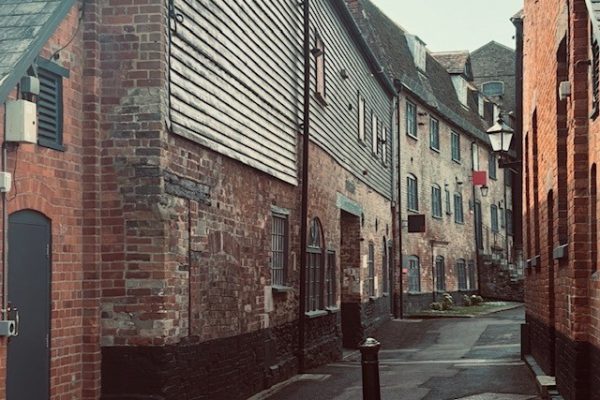
Weaving at Wilton was originally a cottage industry in a wool-producing area of the country. In 1699, William III granted a charter to The Clothiers and Weavers of Wilton, decreeing that only those who had served a seven year apprenticeship could trade within four miles of the town. In 1741, Henry, 9th Earl of Pembroke, brought two French carpet weavers to Wilton, smuggling them in wine barrels, to teach local weavers their craft. When, in 1835, the Axminster Carpet Factory closed, following fire and bankruptcy, Blackmores of Wilton bought the remaining stock and looms, expanding their business to include hand knotted carpets, still called Axminsters. Wilton Carpets continue to design, manufacture and retail their renowned luxury rugs on the site. Following a management buyout of the carpet factory in 1995, the buildings from which it had previously operated on King Street were sold to a company who developed it into Wilton Shopping Village. There are two linked areas, New Square with the old stoke house which was used to pump heat into the factory buildings, and the weaving shops where the famous Wilton Carpets were produced. Across the River Wylye, lies the Historic Courtyard, incorporating 18th century buildings, the dye house and the factory managers house. In 2024, the shopping village was brought back under the management of Wilton Carpets, and rebranded as Wilton Village.